Green Tea


Tea has a long history of medicinal and culinary use dating back over 5000 years in a number of Asian countries.  It was used in traditional Chinese and Ayurvedic medicine systems for a variety of health conditions, from heart health and regulating body temperature and blood sugar, to improving digestion, mental function and eyesight.

Green tea, the unoxidised leaf of Camellia sinensis, contains nearly 4000 bioactive compounds, with the health promoting effects largely attributed to the most-therapeutically active catechins (flavanols), together with the flavonols (predominately kaempferol, quercetin, and myricetin), which collectively make up approximately 30-40% of green tea fresh leaf dry weight. 

Botanical name: Camellia sinensis

Common name: Green Tea

Part used: leaf
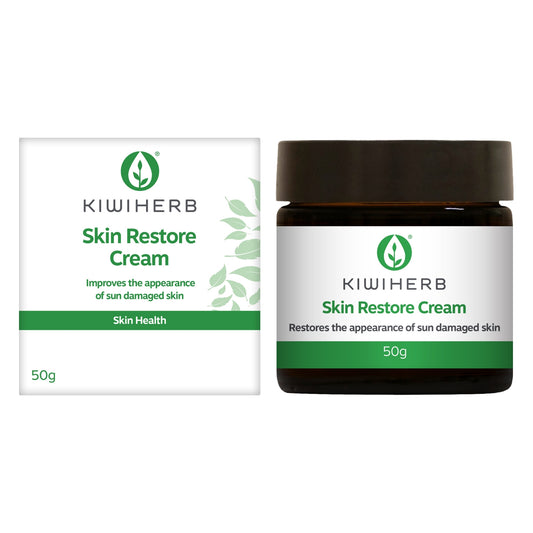
Green tea contains a higher polyphenol and lower caffeine content than black tea (which is fully-oxidised, therefore a higher caffeine content), with approximately 2-5% caffeine of dried leaf weight. The polyphenols in Green Tea have been shown to reduce fine lines, wrinkles and pigmentation changes in the skin. Its antioxidant activity protects against sun-induced oxidative damage and premature skin aging.

Green tea consumption has been suggested to improve the healthy functioning of several body systems, particularly with regards to diseases that have an underlying inflammatory or immune dysfunction.

Frequently asked questions

What is green tea good for?


Green tea (Camellia sinensis) is a traditional herbal drink valued for its high antioxidant content and its support for energy, focus and overall wellbeing. It’s rich in catechins, particularly EGCG, which help protect the body’s cells from oxidative stress. Green tea has been enjoyed in China and Japan for thousands of years and is traditionally used to support mental alertness, digestion, heart health and healthy metabolism.

Does green tea help with weight loss?


Green tea may offer modest support for weight management. Its combination of catechins and caffeine is thought to help gently boost metabolism and support the body’s use of fat for energy. Research suggests the effect is small, so green tea works best as part of a balanced diet and regular exercise rather than as a standalone solution. Swapping sugary drinks for unsweetened green tea is an easy, positive change.

How much caffeine is in green tea?


A cup of green tea typically contains around a third to half the caffeine of a cup of coffee, although the exact amount depends on the type of tea and how long it’s brewed. Green tea also contains L-theanine, a natural amino acid that helps promote calm focus, which is why many people find green tea gives a smoother lift without the jitters. If you’re sensitive to caffeine, enjoy it earlier in the day.

Are there any side effects of green tea?

Green tea is safe for most people when enjoyed as a drink. Because it contains caffeine, too much may cause restlessness, trouble sleeping, headaches or an upset stomach. Concentrated green tea extracts should be taken with food and only as directed, as high-dose supplements have rarely been linked to liver problems. Check with your healthcare professional before using green tea extracts if you’re pregnant, breastfeeding, sensitive to caffeine, have a liver condition, are low in iron or take prescription medication.

How do you take green tea?


Green tea is most commonly enjoyed as a brewed tea, made by steeping the leaves in hot water around 70 to 80°C for two to three minutes. It’s also available as matcha powder, capsules and liquid extracts, which offer a more concentrated, consistent dose. For the best benefit, drink green tea between meals rather than with them, as it can reduce the absorption of iron from food. Always follow the dosage directions on supplement labels.