Hops
Hops is a gentle ally for the nervous system, encouraging a sense of calm and relaxation that helps support a tired body. Its natural active constituents, humulone and lupulone, work alongside flavonoids and phenolic acids to deliver an instant calming action, helping you to unwind, relax and let go of the stresses of the day.
Botanical name: Humulus lupulus
Common name: Hops
Part used: Dried stobiles
Soothing bitter acids: The bitter acids in hops have antispasmodic, relaxant and sedative actions, helping to ease tension and settle both body and mind.
Restful sleep: Hops is traditionally used for insomnia and sleep disturbances. It’s thought to work by activating melatonin
receptors, supporting the body’s natural sleep cycle so you can drift off more easily.
Anti-inflammatory and antimicrobial: Thanks to its flavonoids, hops also offers anti-inflammatory and antimicrobial support for overall wellbeing.
Menopause support: Hops contains naturally occurring phyto-oestrogens, plant compounds that are traditionally used to support women through the changes of menopause.
Found in
-
Dual-Action Chest & Lung Support
Regular price $59.80 NZDRegular priceUnit price / perSale price $59.80 NZD -
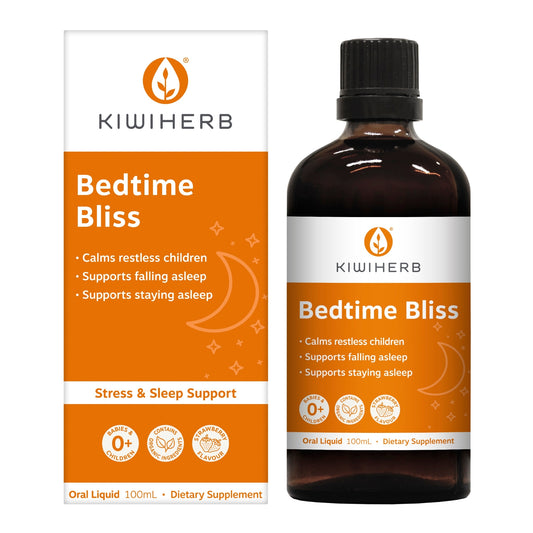
Sold outBedtime Bliss
Regular price $39.50 NZDRegular priceUnit price / perSale price $39.50 NZDSold out
Frequently asked questions
What are hops good for?
Hops (Humulus lupulus) are the cone-shaped flowers of the hop plant, traditionally used to support relaxation, ease stress and promote restful sleep. Their calming effects come from natural constituents such as the bitter acids humulone and lupulone, along with flavonoids and phenolic acids. Hops are also traditionally used to support digestion, ease nervous tension and support women through menopause.
Do hops help you sleep?
Yes, hops are one of the most popular herbs for sleep. They’re traditionally used for insomnia and sleep disturbances, and are thought to work by activating melatonin receptors, supporting the body’s natural sleep cycle. Hops are often combined with other calming herbs like valerian, passionflower or chamomile, and research on hops and valerian together suggests they may help improve sleep quality. For sleep, hops are usually taken as a liquid extract, tablet or tea in the hour before bed. In the past, people even slept on hop-filled pillows to help them drift off.
Are these the same hops used in beer?
Yes, they come from the same plant. Brewers use hops to add bitterness, aroma and natural preservative qualities to beer, and New Zealand is known for its distinctive hop varieties grown in the Nelson region. Herbal hops, however, are prepared as extracts or teas to deliver their calming constituents without alcohol. Interestingly, hop pickers were historically noted for tiring easily during harvest, which helped draw attention to the plant’s sedative properties.
Can hops help with menopause?
Hops contain naturally occurring phyto-oestrogens, plant compounds with gentle oestrogen-like activity. One of these, 8-prenylnaringenin, is considered among the most potent phyto-oestrogens found in plants. This is why hops are traditionally used to support women through menopause, particularly for hot flushes, and their calming, sleep-supporting effects may also help with the restlessness and broken sleep that can come with this stage of life.
Are there any side effects of hops?
Hops are generally well tolerated when taken as directed, though they may cause drowsiness, so avoid driving or operating machinery if affected and avoid combining them with alcohol. Because of their phyto-oestrogen content, hops are not recommended during pregnancy or breastfeeding, or for people with hormone-sensitive conditions. Check with your healthcare professional before use if you have depression, take sedatives, sleep medication or other prescription medicines, and check the label’s age guidance before giving hops to children.