Hyssop
Hyssop has been used as a medicinal herb since classical antiquity and its name is believed to be of Greek origin. It is referenced in the Bible over a dozen times, most notably in verse 7 of Psalm 51 "Thou shalt purge me with Hyssop, and I shall be clean".
Botanical name: Hyssopus officinalis
Common name: Hyssop
Part used: Herb
As with many herbs, Hyssop has a variety of actions which act synergistically to achieve its therapeutic effect. The volatile oil of Hyssop is believed to be largely responsible for its therapeutic action due to its anti-spasmodic activity. It has traditionally been used for coughs, bronchitis, chronic catarrhal conditions and to help reduce fever. It has also been used as a nervous system tonic to help calm nervous anxiety & as a gentle sedative, making it an ideal herb for children.
Found in
-
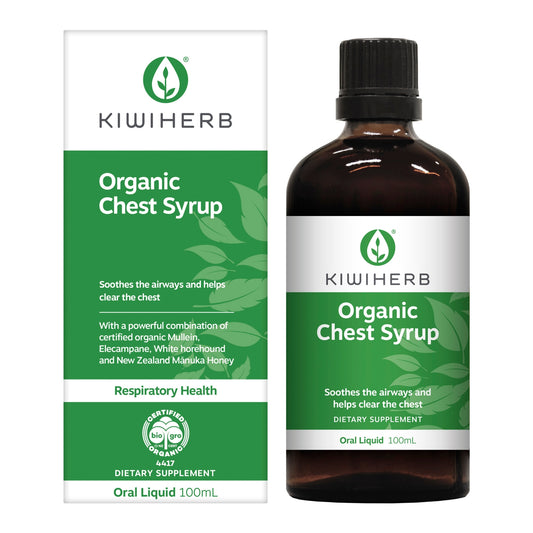
SaleOrganic Chest Syrup
Regular price From $29.62 NZDRegular priceUnit price / per$39.50 NZDSale price From $29.62 NZDSale -
Dual-Action Chest & Lung Support
Regular price $59.80 NZDRegular priceUnit price / perSale price $59.80 NZD -
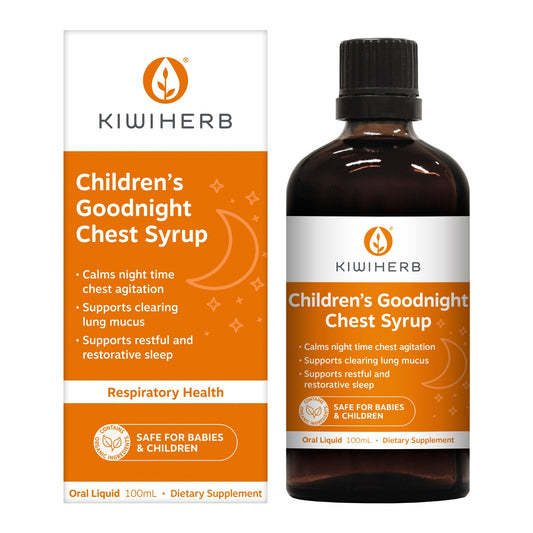
Children's Goodnight Chest Syrup
Regular price From $29.62 NZDRegular priceUnit price / per$39.50 NZDSale price From $29.62 NZDSale -
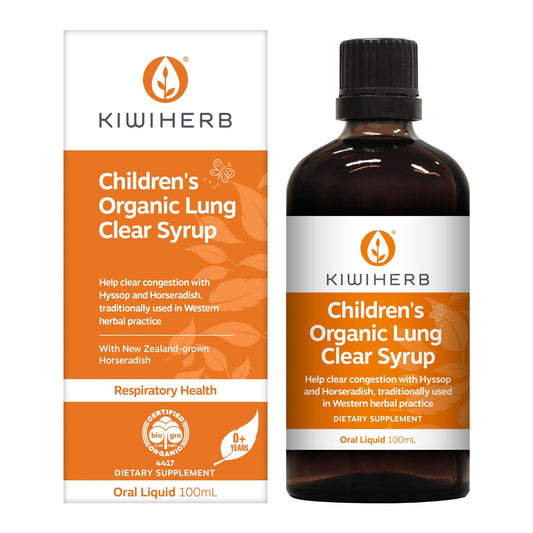
Children’s Organic Lung Clear Syrup
Regular price From $29.90 NZDRegular priceUnit price / per$59.80 NZDSale price From $29.90 NZDSale
Frequently asked questions
What is hyssop good for?
Hyssop (Hyssopus officinalis) is an aromatic herb from the mint family, traditionally used to support the respiratory system and help the body through coughs, colds and congestion. Native to southern Europe and the Mediterranean, it has bright blue-purple flowers and a warm, slightly bitter, minty flavour. Hyssop is also traditionally used to support digestion and ease wind and bloating.
Is hyssop good for coughs and colds?
Yes, hyssop is traditionally used as an expectorant, helping to loosen mucus and clear congestion from the chest, which makes it useful for wet, chesty coughs and catarrh. It’s also traditionally used to support healthy sweating during the early stages of a cold or fever. Hyssop is often combined with other respiratory herbs like thyme, white horehound and elecampane in cough formulas.
Is hyssop the same plant mentioned in the Bible?
Probably not. Hyssop is mentioned several times in the Bible as a cleansing herb, but most botanists believe the biblical plant was actually a type of wild oregano or marjoram native to the Middle East. The hyssop used in herbal medicine today is a European plant. Hyssop has an interesting history of its own though, and it’s one of the herbs used to flavour liqueurs such as absinthe.
How do you take hyssop?
Hyssop is most commonly taken as a liquid extract or as part of a herbal cough or cold formula, which offers a consistent, measured dose. It can also be made into a tea by steeping the dried leaves and flowering tops in hot water for 10 minutes, often sweetened with honey to soften its bitterness. Always follow the dosage directions on the product label.
Are there any side effects of hyssop?
Hyssop leaf and flower preparations are generally well tolerated when taken as directed and for short periods. Hyssop essential oil, however, contains compounds that can trigger seizures in high doses, so it should never be taken internally and should be avoided by anyone with epilepsy. Hyssop is not recommended during pregnancy or breastfeeding, or if you’re allergic to plants in the mint family. Check with your healthcare professional before use if you take prescription medication, and check the label’s age guidance before giving it to children. See your doctor if a cough lasts more than a couple of weeks, or if you have a fever, chest pain or difficulty breathing.