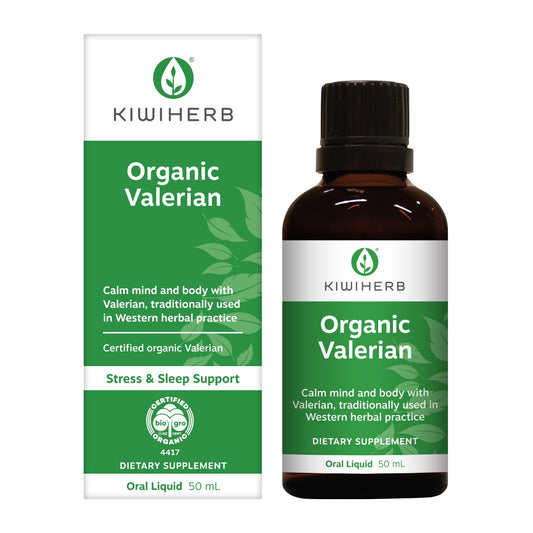
Valerian
Valerian is a traditional European herb with a long and well-respected history as a mild sedative. Its use has continued well into modern times too: during World War II, valerian was used to help people suffering from nervous debility after the strain and fear of air raids.
Botanical name: Valeriana officinalis
Common name: All-Heal, Amantilla, Setwall, Capon’s Tail
Part used: Root
Today, valerian is a trusted favourite among medical herbalists, who commonly use it to help ease stress, anxiety, irritability and nervous tension. One of valerian’s most useful qualities is that its effects change with the dose. In smaller amounts it helps to calm and settle, while larger doses have a more sedating effect, making it especially valuable for those struggling with insomnia.
Research supports valerian’s reputation as a sleep herb. Studies have shown that people taking valerian fell asleep more quickly and enjoyed better quality sleep, helping them wake feeling more rested.
Found in
-
Organic Valerian
Regular price From $40.50 NZDRegular priceUnit price / perSale price From $40.50 NZD
Frequently asked questions
What is valerian good for?
Valerian (Valeriana officinalis) is a traditional European herb best known for supporting restful sleep and easing stress. Its root has been used for centuries as a mild sedative, and today medical herbalists commonly use it to help with stress, anxiety, irritability and nervous tension. In smaller doses valerian helps to calm and settle, while larger doses have a more sedating effect, making it a popular choice for sleeplessness.
Does valerian help you sleep?
Yes, valerian is one of the most widely used herbs for sleep. Studies have shown that valerian may help people fall asleep more quickly and improve the quality of their sleep. It’s thought to work by supporting the activity of GABA, a calming messenger in the brain that helps the nervous system wind down. Valerian is often combined with other sleep-supporting herbs like hops, passionflower and skullcap, and is usually taken 30 minutes to an hour before bed.
How long does valerian take to work?
Some people notice valerian’s calming effects within an hour or so of taking it, particularly for nervous tension. For sleep, however, valerian often works best when taken regularly, with many people finding the full benefit builds over two to four weeks of consistent use. If you’re using valerian for occasional sleeplessness, give it a fair trial before deciding whether it suits you. Always follow the dosage directions on the label.
Why does valerian smell?
Valerian root has a strong, earthy smell that many people compare to old socks or strong cheese. This comes from natural compounds called valerenic and isovaleric acids, which develop as the root dries. Interestingly, cats are often drawn to the smell in the same way they are to catnip. If you find the taste or smell off-putting, capsules, tablets or a blended liquid formula can make valerian much easier to take.
Are there any side effects of valerian?
Valerian is generally well tolerated when taken as directed. Some people may experience mild headaches, stomach upset or grogginess the next morning, and a small number of people find valerian stimulating rather than relaxing. Because it can cause drowsiness, avoid driving or operating machinery if affected, and don’t combine it with alcohol. Check with your healthcare professional before use if you’re pregnant, breastfeeding, have a liver condition, are scheduled for surgery, or take sedatives, sleep medication, anti-anxiety medication or other prescription medicines, and check the label’s age guidance before giving it to children.