Withania AKA Ashwagandha
Withania is one of the most popular herbs in India, where it is known as Ashwagandha. It is becoming increasingly popular among western herbal practitioners due to its unique and powerful properties. In both Ayurveda and western herbal medicine, it is used as a rejuvenating tonic much the same as Ginseng is used in China; in fact, it is often referred to as ‘Indian Ginseng’
Botanical name: Withania somnifera
Common name: Ashwagandha, Winter Cherry, Indian Ginseng
Part used: Root
It is highly regarded for treating debility, boosting energy, supporting the immune system and is considered an aphrodisiac. Withania is one of the best herbs for treating stress firstly because of this powerful tonic effect, but secondly because it is calming and non stimulating.
Modern research has confirmed many of the traditional uses for Withania, with studies showing that it exhibits immune enhancing, anti-stress, antioxidant and anti-inflammatory actions. This includes some support for using Withania (Ashwagandha) for supporting ADHD treatment.
Found in
-
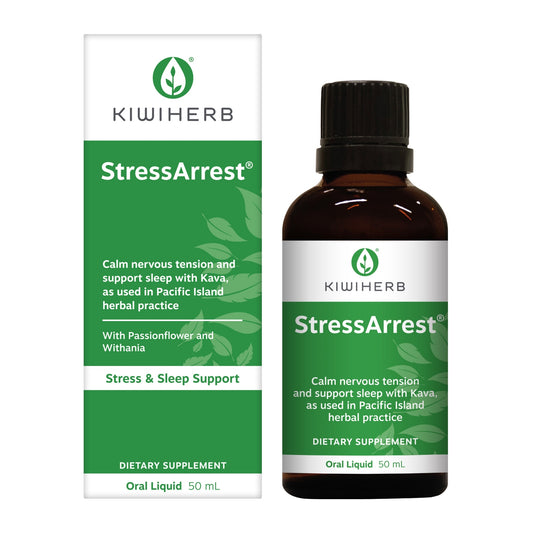
StressArrest®
Regular price From $34.75 NZDRegular priceUnit price / perSale price From $34.75 NZD -
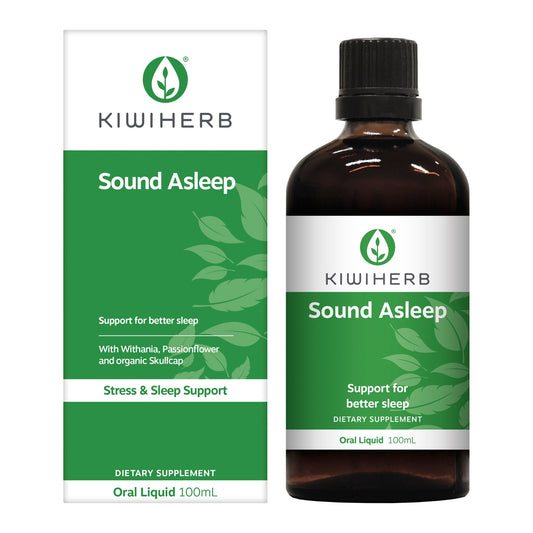
SaleSound Asleep
Regular price From $33.71 NZDRegular priceUnit price / per$50.30 NZDSale price From $33.71 NZDSale -
Sold outBedtime Bliss
Regular price $39.50 NZDRegular priceUnit price / perSale price $39.50 NZDSold out
Frequently asked questions
What is ashwagandha good for?
Ashwagandha (Withania somnifera) is a revered herb from Ayurveda, the traditional medicine system of India, where it has been used for over 3,000 years. It’s best known as an adaptogen, a herb that helps the body adapt to and cope with stress. Ashwagandha is traditionally used to support energy, resilience, restful sleep and a calm mind, particularly during demanding or exhausting periods. Its name comes from Sanskrit and means “smell of the horse,” referring to both the root’s earthy aroma and its traditional reputation for giving the strength and vitality of a horse.
Does ashwagandha help with stress?
Yes, stress support is ashwagandha’s most popular use, and it’s one of the better researched adaptogens. Several clinical studies have found that ashwagandha may help reduce feelings of stress and anxiety and lower levels of cortisol, the body’s main stress hormone. Its benefits are thought to come from natural compounds called withanolides. Unlike stimulating tonics, ashwagandha is traditionally used to both calm and restore, making it well suited to people who feel “tired but wired.”
Can ashwagandha help you sleep?
Ashwagandha is traditionally used to support restful sleep, and its botanical name somnifera means “sleep-inducing” in Latin. Some studies suggest it may help people fall asleep more easily and improve sleep quality, particularly when stress is affecting sleep. Rather than acting as a sedative, ashwagandha is thought to help by calming the stress response so the body can settle naturally into rest.
How long does ashwagandha take to work?
Ashwagandha is a tonic herb, so its benefits tend to build gradually with regular use rather than being felt straight away. Many people notice a difference after two to four weeks, while clinical studies typically measure results after six to eight weeks of consistent daily use. Ashwagandha is commonly taken as a capsule, tablet, powder or liquid extract, and can be taken morning or evening. Always follow the dosage directions on the product label.
Are there any side effects of ashwagandha?
Ashwagandha is generally well tolerated when taken as directed, though some people may experience stomach upset, diarrhoea or drowsiness. Rare cases of liver problems have been reported, so stop use and see your doctor if you notice yellowing skin or eyes, dark urine or abdominal pain. Avoid ashwagandha during pregnancy and breastfeeding, and if you’re allergic to plants in the nightshade family. Check with your healthcare professional before use if you have a thyroid condition, an autoimmune condition, a liver condition or diabetes, take sedatives, thyroid, blood pressure, diabetes or immune-suppressing medication, or are scheduled for surgery, and check the label’s age guidance before giving it to children.